
The Limits of Religious Certainty
Narcissus and GoldmundGoldmund’s experiences challenge religious explanations of suffering, while Narcissus distinguishes personal doubt from the practical work of justice and spiritual discipline.
increasing Bearing strength in each event
 decreasing
Bearing strength in each eventdecreasingA Student’s Sacred Fear
A Student’s Sacred Fear
Sin and Desire
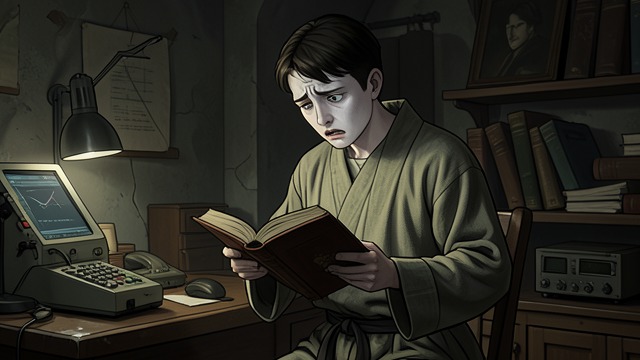
Goldmund fears that responding to a girl will destroy his imagined vocation and separate him from God. His terror is rooted in an internalized moral story, not in formal vows.
A Difference of Authority
Narcissus questions whether Goldmund has actually taken the commitments he fears breaking. Their exchange exposes the difference between religious rules and inherited shame.
The Plague Challenges Providence
The Plague Challenges Providence
Suffering Without Protection
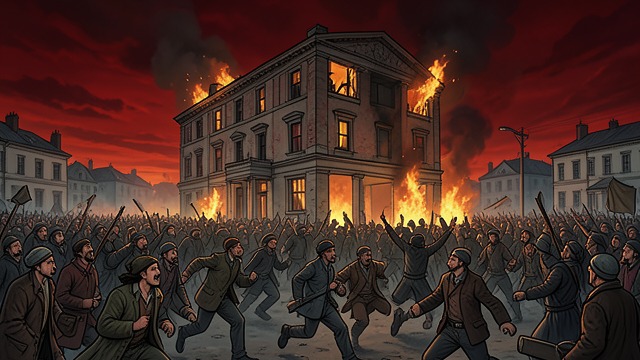
Goldmund witnesses people dying amid abandonment, looting, and persecution. The scale and randomness of the destruction strain his belief in a justly ordered world.
Doubt Becomes Personal
His questions are not detached philosophical puzzles; they arise from specific dead and endangered people. Religious consolation cannot simply undo what he has seen.
A Confession Without Certainty
A Confession Without Certainty
Prayer in an Empty Church
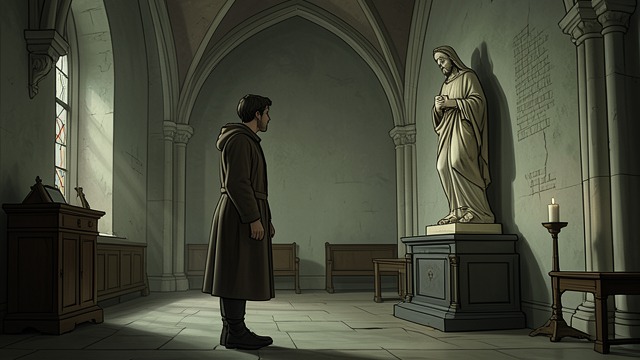
Goldmund confesses before an empty confessional and questions whether God has abandoned creation. The absent priest mirrors the failure of familiar religious structures during catastrophe.
Beauty Still Consoles
The church’s statues remain as witnesses to human striving and artistic endurance. Their presence offers consolation without answering Goldmund’s accusations.
Narcissus’s Practical Justice
Narcissus’s Practical Justice
Ideals in an Imperfect World
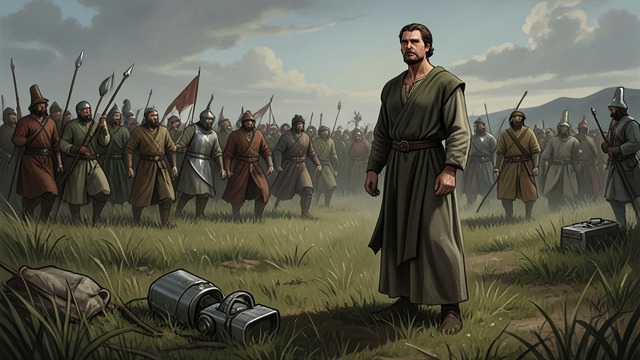
Narcissus argues that justice remains a standard even when human conduct is evil. He describes religious life as repeated effort to correct and measure imperfect action.
Goldmund’s Challenge
Goldmund asks what such ideals mean beside burned Jews and plague victims. The disagreement exposes the distance between moral principles and the scale of suffering.
Prayer as Practice
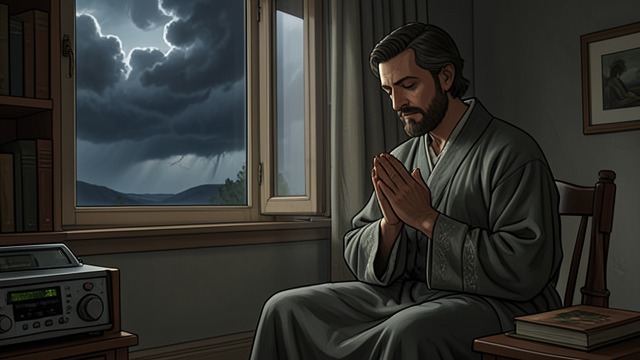
Prayer as Practice
Discipline Without Proof
Narcissus asks Goldmund to pray without trying to settle whether God hears or exists. The exercise resembles music: attention to the act matters more than certainty about its result.
A Temporary Peace
Goldmund finds that prayer can release him from the isolated intensity of artistic work. It offers a practice of order, not a final answer to the problem of evil.
After Goldmund’s first kiss in the village
During Goldmund’s return across plague-stricken lands
During Goldmund’s return through an emptied church
During the journey from the bishop’s city to Mariabronn
During Goldmund’s first months of work at Mariabronn
